
Common Bite Problems Orthodontists Fix & Why They Matter
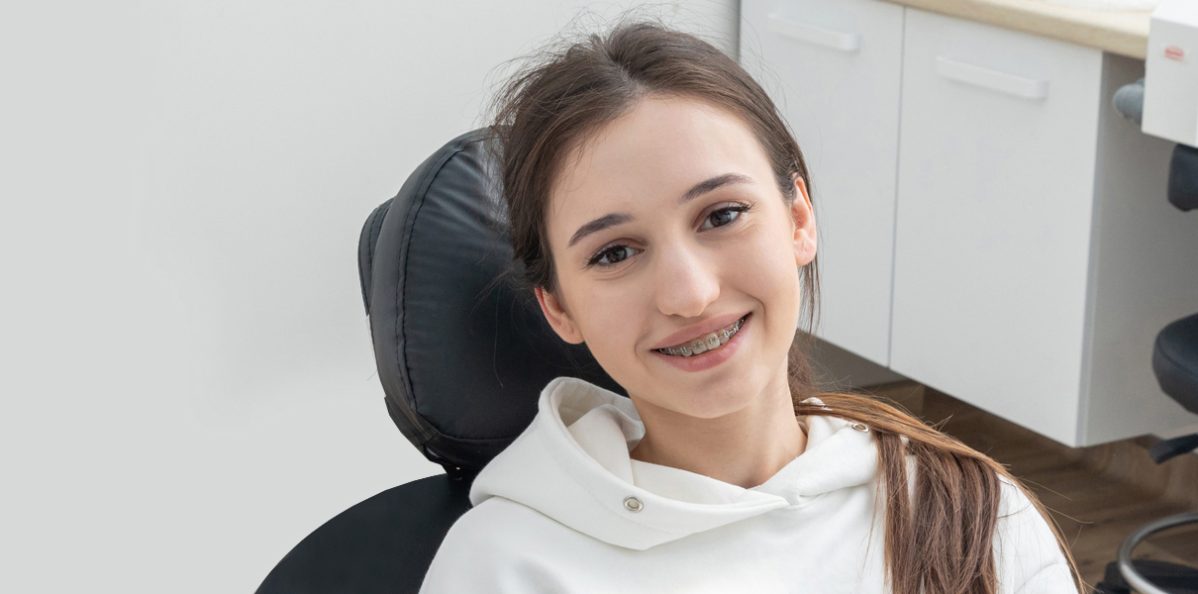
Your bite is more than how your teeth look when you smile. It affects how you chew, speak, breathe, and even how your jaw joints feel day to day. When teeth do not meet in a balanced way, the strain can reach your gums, muscles, and even your neck and head.
Many people search for a dentist near me because their teeth look crowded or out of place. What they often do not realize is that the “look” is only part of the story. Bite problems sit deeper in the way upper and lower teeth fit together, and orthodontists are trained to diagnose and correct these hidden issues before they grow into larger oral health concerns.
Most Common Bite Issues Orthodontists Treat
Orthodontists see bite problems in children, teens, and adults. Some are obvious on a quick glance. Others may not be visible at all but reveal themselves through jaw tension, headaches, or worn teeth. Here are the most frequent patterns.
Overbite and Overjet
An overbite means the upper front teeth extend too far over the lower ones when you close your mouth. Overjet is when the upper front teeth sit far out in front of the lower ones. Both patterns can:
- Make front teeth chip or wear down faster
- Place stress on the jaw joints
- Make it hard to bite into foods like apples or sandwiches
Underbite
In an underbite, the lower front teeth sit in front of the upper front teeth. This can change the look of your profile and may cause:
- Uneven wear on back teeth
- Strain on the lower jaw and joints
- Trouble cutting food or speaking clearly
Crossbite
A crossbite happens when some upper teeth bite inside the lower teeth instead of outside. It can affect front teeth, back teeth, or both. Over time, crossbites can:
- Cause teeth to wear on the wrong surfaces
- Lead to gum recession on the affected teeth
- Shift the jaw to one side, changing facial balance
Open Bite
With an open bite, the upper and lower teeth do not touch in the front when you close down, leaving a visible gap. Patients may:
- Have trouble biting noodles, lettuce, or other thin foods
- Notice speech changes, such as a lisp
- Rely too much on back teeth, which can wear down faster
Crowding and Spacing with Bite Changes
Crowded teeth twist and overlap, while spacing leaves gaps between teeth. Both can influence the bite because teeth cannot line up in a stable way. This may:
- Make brushing and flossing harder
- Increase risk of cavities and gum disease
- Lead to a bite that shifts over time as teeth move into the path of least resistance
Why Bite Problems Shouldn’t Be Ignored
Bite problems rarely stay the same for life. As you use your teeth every day, pressure spreads through enamel, gums, bone, and jaw joints. When that pressure is not balanced, damage adds up.
Ignoring bite issues can lead to:
- Tooth wear and fractures – Teeth that hit too hard or in the wrong spots can chip or crack.
- Jaw discomfort and headaches – Strained muscles and stressed joints may lead to pain around the ears, temples, or neck.
- Gum and bone problems – Misaligned teeth can trap plaque, stretch gum tissue, and weaken the bone that supports teeth.
- Chewing and speech concerns – An unstable bite can make food harder to manage and change how certain sounds form.
There is also an emotional side. Many patients feel self-conscious about how their teeth meet when they smile or speak. Correcting the bite often improves both function and confidence, which can affect daily life at work, at school, and in social settings.
Most importantly, early care often means simpler care. When you address bite problems before teeth wear down or jaw joints become sore, treatment can be more comfortable and preserve more natural tooth structure.
How Orthodontic Treatment Corrects Bite Problems
Orthodontists do more than straighten crooked teeth. They plan how every tooth should meet its partner in the opposite arch, then design a step-by-step path to guide teeth into that position.
The process starts with a detailed exam. This may include:
- Digital X-rays to see roots and jawbones
- Photos of the smile and profile
- Digital scans or impressions to map the bite in three dimensions
From there, your dentist and orthodontist review orthodontic correction options that fit your age, oral health, and goals. Common tools include:
- Braces for bite issues – Brackets and wires apply steady forces to move teeth into healthier positions. Rubber bands (elastics) can guide the upper and lower arches so they meet in a more stable way.
- Clear aligners for bite problems – Custom trays shift teeth in small steps. With the right plan, aligners can address overbites, crossbites, and open bites while blending into daily life.
- Palatal expanders and other appliances – In growing children, expanders can widen a narrow upper jaw, which helps correct crossbites and gives crowded teeth more room.
- Jaw-focused treatment – In severe cases, orthodontists may work with oral surgeons to adjust jaw position and then fine-tune the bite with braces or aligners.
Throughout treatment, progress checks ensure that teeth move as planned and that the bite comes together in a balanced way. After active treatment, retainers help keep the new bite stable so your results last.
Final Thoughts
A healthy bite is the base for a strong, comfortable smile. If you notice teeth that do not fit together, jaw soreness, or trouble chewing, it is worth asking an orthodontist in Orlando to evaluate your bite, not just the look of your teeth. Small concerns today can turn into worn, sensitive teeth tomorrow if the alignment is left unchecked.
An in-person exam with a trusted team, such as the providers at OBT Dental & Orthodontics, can reveal what is happening beneath the surface and outline a plan that fits your life. With the right guidance, you can protect your teeth, ease strain on your jaw, and feel more at ease every time you smile.