
How Invisalign Fixes Overbite, Underbite & Crossbite Issues
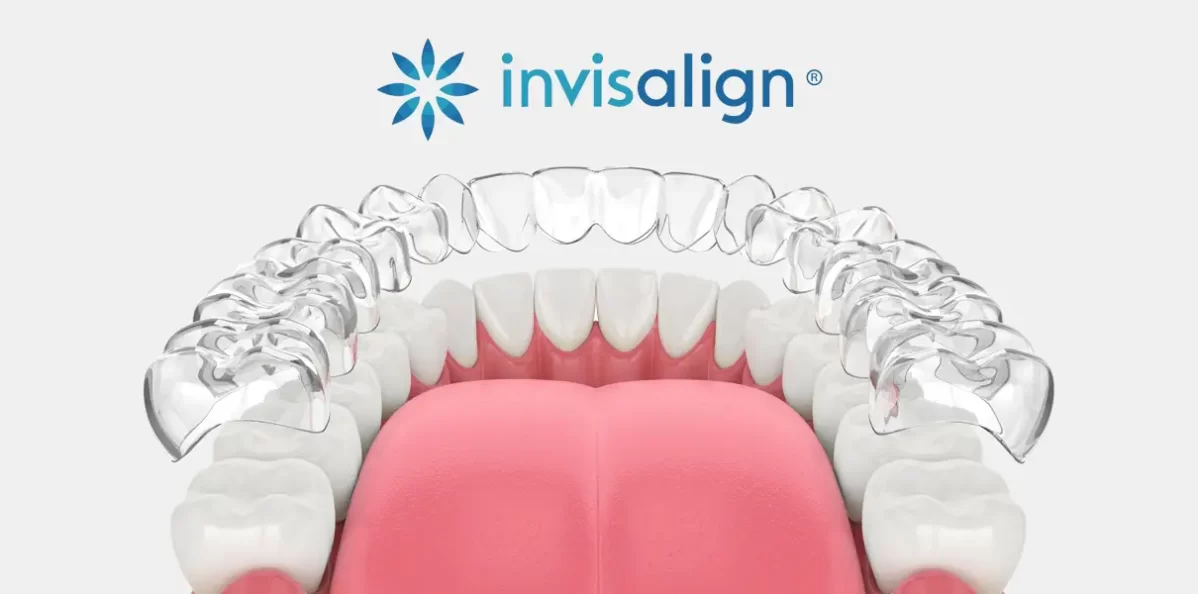
When your bite does not align properly, the impact goes beyond appearance. Teeth that do not meet correctly can place uneven pressure on certain areas, leading to gradual wear, jaw muscle fatigue, and difficulty cleaning tight or overlapping spaces.
Many people now explore alternatives to braces and wonder if aligners can address these concerns. When the problem is tooth positioning rather than jaw structure, aligners can guide teeth into a more balanced relationship over time.
Why Bite Problems Develop
Bite irregularities usually develop from how teeth erupt and how the jaws grow in relation to each other.
- In an overbite, the upper teeth extend too far over the lower teeth
- In an underbite, the lower teeth sit forward relative to the upper teeth
- In a crossbite, certain upper teeth fall inside the lower teeth instead of outside
Some of these patterns are limited to differences in tooth arrangement, while others involve bigger structural differences in jaw position. This distinction is important because it determines whether aligners alone can correct the issue.
How Invisalign Changes Bite Alignment
Instead of using fixed wires, Invisalign relies on a series of aligners that shift teeth in small increments. Each aligner applies pressure to the selected teeth according to a digital treatment plan.
As the aligners are changed regularly, the teeth move gradually into positions that allow the upper and lower arches to fit together more evenly.
For example, in cases involving Invisalign for crossbite, certain teeth may be guided outward or inward to correct how the bite closes. In some situations, small bonded attachments are added to improve the delivery of force, especially when rotation or vertical movement is required.
When Aligners Work Well for Bite Problems
Clear aligners tend to be effective when the issue involves tooth alignment rather than a significant jaw imbalance.
Patients looking into clear aligners for bite problems often benefit when:
- Tooth movement alone can correct the bite
- The condition is not severely skeletal
- Aligners are worn consistently as prescribed
If the jaw position plays a larger role, aligners may still be part of the plan, but additional approaches may be required.
What Happens Before Treatment Begins
A detailed evaluation is completed before starting treatment to understand how the bite functions.
This typically involves:
- Digital scans to capture tooth position
- Analysis of how teeth contact during closure
- Examination of gum health and enamel condition
- Estimation of how much movement is needed
For individuals considering Invisalign in Orlando, FL, this step helps clarify whether aligners alone can achieve the desired correction or if other options should be discussed.
How Long Does Bite Correction Take
The timeline for correcting a bite varies based on how complex the movement is.
- Minor corrections may take several months
- Moderate adjustments often take over a year
- More involved cases can take longer
Consistent wear is critical. Aligners must remain in place for most of the day to allow controlled tooth movement.
Comparing Invisalign and Braces
Both treatment options aim to correct alignment, but they differ in how forces are applied.
Braces use fixed components to maintain continuous pressure, which can be helpful in complex cases. Invisalign, on the other hand, uses removable trays that apply controlled forces in stages.
For many moderate bite issues, aligners can achieve comparable improvements when the treatment plan is followed closely. However, cases involving significant jaw discrepancies may respond better to fixed appliances.
When Additional Treatment Is Needed
There are situations where aligners alone may not fully resolve the bite.
These include:
- Pronounced jaw misalignment
- Severe crowding that limits movement
- Bite discrepancies caused by skeletal structure
In these cases, a dentist may recommend combining methods to achieve a stable and functional result.
Keeping Your Bite Stable After Treatment
Once teeth have been repositioned, they do not immediately remain fixed in place. The surrounding bone and connective fibers need time to adapt to the new positions.
Retainers are used to maintain alignment during this stabilization phase.
Long-term care involves:
- Wearing retainers as instructed
- Attending periodic checkups
- Monitoring any changes in how the bite feels
For patients seeking a dentist near you, ongoing follow-up is important for maintaining the correction achieved during treatment.
FAQs
Invisalign can address many bite problems involving tooth position. A clinical evaluation is needed to determine whether aligners alone are sufficient.
The duration depends on the complexity of the bite issue. Some cases improve within months, while others require a longer treatment period.
Both options can correct an overbite. Aligners work well for mild to moderate cases, but braces are usually more appropriate for complex orthodontic movements.
Clear aligners can be effective when the crossbite is caused by tooth position rather than jaw structure.
In severe cases involving jaw alignment, additional treatment methods may be required to achieve a stable result.
Clinical Perspective on Invisalign for Bite Issues
Invisalign can improve many bite conditions when the problem is carefully assessed, and the treatment is planned with clear goals. The outcome is shaped by how the teeth respond to movement, how consistently aligners are worn, and whether the underlying issue is dental or skeletal.
At OBT Dental & Orthodontics, treatment decisions are guided by function, long-term stability, and the maintenance of overall oral health.